Embarking on a pickleball journey is an exciting prospect. Many new players, however, find themselves overwhelmed by equipment choices. Understanding essential gear is crucial for a positive start. The accompanying video offers an excellent primer. This article expands upon those foundational points, providing deeper insights into selecting your first pickleball equipment.
Selecting an Optimal Pickleball Paddle for Beginners
The paddle is an athlete’s primary tool in pickleball. New players often seek guidance on this critical choice. The market presents a vast array of options. These choices can appear daunting to the uninitiated.
Paddle Quality and Price Point Considerations
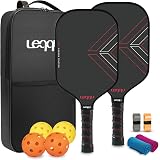
Initial paddle investment often correlates directly with quality. A higher price generally signifies superior materials. It also suggests enhanced durability and performance. Novice players might consider a paddle priced under $100. This range offers excellent value for initial engagement. A product costing $50 provides a practical starting point. Conversely, a $250 paddle indicates a significant upgrade in craftsmanship.
Material differences largely explain these price disparities. Lower-cost paddles frequently utilize basic composite cores. These may offer less power or control. More expensive paddles often feature advanced polymer honeycomb cores. They also incorporate graphite or carbon fiber faces. These materials provide a better feel and longer lifespan. A durable paddle may last six to twelve months, even with frequent play.
Furthermore, paddle weight impacts playability. Lighter paddles (7.0-7.7 oz) offer quicker hand speed. Heavier paddles (8.0-8.5 oz) provide more power. An intermediate weight (7.8-8.0 oz) is often recommended. This balance supports a developing stroke. Edge guard protection is also a notable feature. It enhances the paddle’s resilience to court impacts.
Understanding Pickleball Types: Indoor vs. Outdoor
Choosing the correct pickleball is less complicated. However, distinctions exist. Balls are specifically designed for different playing environments. These differences affect performance characteristics. Selecting the appropriate ball is paramount.
Key Differences in Pickleball Construction
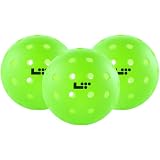
Outdoor pickleballs are typically harder and heavier. They feature smaller holes. This design ensures better wind resistance. It also provides a more consistent bounce on rough surfaces. The Dura Fast 40 is a well-known outdoor ball. The Franklin X-40 is another popular choice. These balls offer consistent flight and rebound. They are ideal for various outdoor court conditions.
Indoor pickleballs are generally softer and lighter. They possess larger holes. This construction allows for a slower game. It also provides a better bounce on smooth gym floors. The Selkirk Pro S1 is a good example of an indoor ball. It excels on polished surfaces. These balls produce less noise during play. Many players prefer them for indoor recreation.
It is important to note the surface, not the roof, dictates the ball choice. A glossy basketball court requires an indoor ball. A grainy, sandpaper-like surface necessitates an outdoor ball. When uncertainty persists, an outdoor ball is a safer bet. Its versatility makes it a common selection for mixed play environments.
The Undeniable Importance of Proper Pickleball Court Shoes
Footwear choice is critical for pickleball participation. Many new players underestimate this necessity. They frequently wear running shoes or trainers. This practice poses significant safety risks. Specialized court shoes are designed for dynamic lateral movements.
Safety Features of Dedicated Court Footwear
Court shoes prioritize stability and lateral support. They feature a rigid outsole. This prevents excessive foot twisting. A key component is the heel counter. This stiff cup cradles the heel. It secures the foot during quick direction changes. The shank, a supportive plate, runs through the mid-foot. It provides torsional rigidity. These elements collectively prevent ankle rolls.
Running shoes, conversely, are built for linear motion. They offer ample forefoot cushioning. Their soft outsoles allow for pronation and supination. These characteristics are detrimental on a pickleball court. The lack of lateral stability can easily lead to ankle injuries. Many athletes switch to court shoes only after an incident. Proactive investment in safety is strongly advised. Court shoes begin around $60. High-end models can reach $170 or more. This investment primarily secures player safety and durability.
Proper pickleball equipment enhances performance and ensures player safety. Beginning with a suitable paddle, the correct ball, and specialized court shoes establishes a solid foundation for enjoyment and skill development in the sport.
Serving Up Answers to Your Pickleball Equipment Questions
What kind of pickleball paddle should a beginner look for?
Beginners can start with a paddle priced under $100, often around $50, which provides good value. An intermediate weight (7.8-8.0 oz) is often recommended to help develop your stroke.
Are there different types of pickleballs?
Yes, there are specific pickleballs for indoor and outdoor play. Outdoor balls are harder and heavier with smaller holes, while indoor balls are softer, lighter, and have larger holes.
How do I know whether to use an indoor or outdoor pickleball?
The type of surface you’re playing on determines the ball choice; a glossy gym floor needs an indoor ball, while a rough court requires an outdoor ball. If you’re unsure, an outdoor ball is generally a versatile choice.
Why can’t I just wear my running shoes for pickleball?
Running shoes are designed for forward motion and lack the crucial lateral support and stability needed for pickleball’s quick side-to-side movements. Wearing them can significantly increase your risk of ankle injuries.