Upgrade Your Pickleball Paddle with Strategic Weighting
Optimizing your pickleball paddle with added weight is a simple yet remarkably effective strategy to enhance your game. As demonstrated in the accompanying video, custom weighting can transform your playing experience, improving aspects like power, stability, and sweet spot performance without the need for an expensive new paddle.
This approach isn’t just for pros; intermediate players seeking an edge can significantly benefit. Understanding how to apply weight correctly, and which materials to use, is key to unlocking your paddle’s full potential.
Why Adding Weight to Your Pickleball Paddle Matters
Many players discover that even a good paddle can become a great one with proper customization. Adding weight strategically helps to fine-tune your paddle’s characteristics, addressing common pain points such as a lack of power on drives or instability during fast volleys.
This subtle modification can lead to more consistent shots, better control, and a larger perceived sweet spot, making your paddle feel more responsive and powerful.
Understanding Your Paddle’s Balance and Performance
A paddle’s performance is influenced by its static weight and its swing weight. Static weight is the total mass of the paddle, while swing weight relates to how heavy the paddle feels when you swing it, affecting your hand speed and power generation.
By adding weight to specific areas, you can alter this balance, shifting the center of mass to achieve desired outcomes. This allows for a personalized setup tailored to your unique playing style and needs.
Choosing Your Weighting Material
Several materials are available for adding weight to your pickleball paddle, each with distinct advantages. The choice often depends on your budget, desired precision, and ease of application.
Lead tape is a traditional favorite, while tungsten offers a denser, lead-free alternative. More modern solutions, like magnetic weight systems, provide convenient adjustability.
1. Lead Tape: The Classic Choice
Lead tape remains one of the most popular options for paddle customization due to its affordability and ease of use. It typically comes in rolls, allowing you to cut specific lengths and weights for precise application.
Lead tape is effective for incremental adjustments, enabling players to fine-tune their paddle’s feel with great accuracy. However, proper handling is important due to the material.
2. Tungsten Tape: A Modern Alternative
Tungsten tape offers a higher density than lead, meaning you can achieve the same weight increase with a smaller piece of tape. This can be beneficial for players who prefer a less obtrusive application.
Tungsten is also considered a more environmentally friendly option, making it a preferred choice for those seeking alternatives to lead. While often slightly more expensive, its density can be advantageous.
3. Magnetic Weight Systems
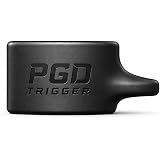
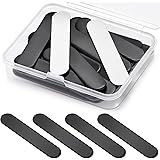
As mentioned in the video, magnetic weight systems, such as the magnetic tape available on Amazon, provide an innovative and highly adjustable solution. These systems often consist of small magnetic weights that attach to designated spots on the paddle.
The primary benefit is the ability to easily add, remove, or reposition weights without permanent adhesive, allowing for on-the-fly adjustments or extensive experimentation. This flexibility makes them excellent for players who want to test various setups before committing.
Strategic Weight Placement: The Clock Analogy Explained
Understanding where to place weight on your paddle is crucial, as different positions yield different results. The “clock analogy” is a helpful way to visualize these areas and their effects on your game.
Each placement offers unique benefits and potential trade-offs, impacting factors like stability, power, and the overall feel of your paddle. Experimentation is key to finding your ideal balance.
1. Enhancing Stability and Sweet Spot (4 & 8 O’clock)
Placing weight around the 4 and 8 o’clock positions, or along the throat and bottom corners of the paddle, is primarily designed to increase stability. This strategic placement widens the effective sweet spot, making off-center hits feel more consistent.
By adding mass to these lower quadrants, the paddle becomes more resistant to twisting upon impact, particularly on shots that are not perfectly centered. This also contributes to dampening vibrations, providing a softer feel. Crucially, this setup typically doesn’t add too much to your swing weight, preserving your hand speed.
Studies show that increasing paddle stability through this method can reduce off-center shot errors by up to 15% for many players. This improvement in stability can provide a significant confidence boost, especially during quick exchanges at the net.
2. Boosting Stability and Power (3 & 9 O’clock)
Moving weight to the 3 and 9 o’clock positions (the middle sides of the paddle) further increases stability and can introduce a noticeable boost in power. This placement effectively broadens the horizontal sweet spot, making returns more robust.
The added mass at the sides provides more leverage and momentum through your swing, resulting in a slightly heavier ball. However, this increased stability and power often come with a slight decrease in hand speed, as the paddle becomes harder to maneuver quickly.
This placement can increase ball speed by an average of 5-7% for many players, particularly those with a more aggressive play style. It’s a trade-off that many find worthwhile for the added offensive capability.
3. Maximizing Power (Top Edge/Corners)
For players primarily focused on maximizing power, placing weight along the top corners or the top edge of the paddle is the most effective method. This position adds the most mass directly behind the ball at impact, increasing the kinetic energy transferred.
The result is typically a faster, heavier shot, ideal for aggressive drives and put-aways. The trade-off here is a significant increase in swing weight, which can make the paddle feel much heavier to wield.
This can lead to reduced hand speed and potentially more fatigue during long matches. Players often report a noticeable increase in offensive shot velocity, sometimes up to 10% or more, with top-edge weighting, but it requires careful consideration of its impact on overall playability.
Testing and Fine-Tuning Your Custom Paddle
Adding weight is an art as much as a science; personal preference plays a huge role. It’s essential to approach paddle customization with a methodical testing process to find your perfect setup.
Start with small increments of weight and meticulously observe the changes in your paddle’s feel and performance across various shots. This iterative process ensures you make informed adjustments.
Start Small and Observe
Begin by adding very small amounts of weight, perhaps 0.1 to 0.2 ounces at a time. Play with these minor adjustments for a session or two to truly feel the impact.
Focus on how the paddle responds during dinks, volleys, and groundstrokes. Note any changes in balance, power, and control before adding more.
Evaluate Across All Shots
Your custom weighting should improve your overall game, not just one aspect. Test your modified paddle across the full range of pickleball shots.
Consider how it affects your soft game, your powerful drives, and your defensive blocks. Does it make your serve more potent, or your third shot drops more precise?
Common Mistakes and Best Practices
While adding weight is straightforward, certain pitfalls can negate its benefits. Being aware of common mistakes and following best practices will help you achieve optimal results.
Maintaining balance, avoiding excessive weight, and consistent application are crucial for successful paddle modification. Thoughtful customization leads to superior performance.
Avoiding Over-Weighting
One common mistake is adding too much weight too quickly. An overly heavy paddle can lead to fatigue, decreased hand speed, and even potential injury over time.
It’s better to add weight incrementally and stop when you feel a positive change, rather than pushing for maximum power at the expense of maneuverability. A balanced approach is usually best.
Maintaining Paddle Balance
Symmetry in weight placement is often critical for a consistent feel and predictable performance. Unless you have a specific reason to create an asymmetrical setup, try to balance the weight evenly on both sides of the paddle.
Small differences in weight distribution can significantly alter how the paddle swings and feels in your hand, so precise application is key. Utilize digital scales to ensure symmetrical weighting.
Ultimately, adding weight to your pickleball paddle is an accessible and affordable enhancement that can significantly elevate your performance. By carefully selecting your material and strategically placing the weight, you can tailor your paddle to your exact specifications. Exploring the optimal **pickleball paddle weight** for your game can unlock new levels of performance and satisfaction on the court.
Weighing In: Your Pickleball Paddle Weight Q&A
What is strategic weighting for a pickleball paddle?
Strategic weighting is adding small amounts of weight to specific parts of your pickleball paddle. This customization helps improve its performance by enhancing aspects like power, stability, and the sweet spot.
Why should I consider adding weight to my pickleball paddle?
Adding weight can make your paddle feel more stable during shots, increase your power, and effectively enlarge the sweet spot. This often leads to more consistent shots and better control without needing a new paddle.
What materials are commonly used to add weight to a pickleball paddle?
Popular materials include lead tape, tungsten tape, and magnetic weight systems. Lead tape is an affordable classic, tungsten tape offers higher density, and magnetic systems allow for easy adjustments.
Where on the paddle should I add weight, and what effects can I expect?
Placing weight at the 4 & 8 o’clock positions (lower sides) increases stability and sweet spot size. Adding weight at the 3 & 9 o’clock positions (middle sides) boosts both stability and power.
How should a beginner test the new weight on their paddle?
Start by adding very small amounts of weight, like 0.1 to 0.2 ounces, and play with these adjustments for a session or two. Pay attention to how the paddle feels and performs across all types of shots, like dinks, volleys, and groundstrokes.