Having personally tested over 50 pickleball accessories, the insights shared in the video above offer a pragmatic look into what truly elevates a player’s game and what might fall short. From subtle paddle adjustments to crucial safety gear, optimizing your pickleball setup can significantly impact comfort, performance, and injury prevention on the court. This article delves deeper into these essential pickleball accessories, providing further context, technical explanations, and actionable advice to help intermediate to advanced players refine their equipment choices.
Paddle Customization: The Impact of Weight on Performance
One of the most immediate and impactful upgrades for any pickleball player is paddle weighting. While the base paddle provides a solid foundation, strategic weight distribution can transform its feel and performance, enhancing both power and stability. Tungsten tape, available in convenient rolls of half gram or full gram per inch, offers unparalleled customization. Applying this tape to different areas of the paddle can alter its swingweight, a critical factor determining how heavy the paddle feels during a swing.
For instance, adding weight near the paddle’s head increases swingweight, providing more power for drives and overheads. Conversely, placing weight closer to the handle can enhance maneuverability and control for quick volleys and dinks. The video highlights the preference for roll tape over pre-cut options, a choice rooted in the flexibility to precisely tailor the strip length for optimal balance and adhesion, minimizing the risk of detachment during intense play.
An alternative for players seeking a less permanent solution or those hesitant about adhesive residue are weighted clips, such as those from NeoBadge, Pickle Clips, or Slice Clips. These clips offer a quick and adjustable way to add weight, typically designed for 16mm paddles. While convenient for on-the-fly adjustments, it’s worth noting that some models may occasionally slide, requiring occasional readjustment. Unlike tape, clips may not offer the same precise distribution across multiple points of the paddle face.
However, not all weighting methods prove equally effective. Coin caps, often advertised as a simple weight addition, are generally less impactful. Positioned at the bottom of the handle, they primarily shift the paddle’s balance point slightly downwards. This change often fails to create a noticeable difference in power or stability during gameplay, as the weight is too far from the paddle’s primary hitting surface to significantly alter its swing mechanics. For truly impactful customization, focusing on paddle face or throat weighting remains superior.
Training Aids: Evaluating Effectiveness for Skill Development
The market is flooded with various training balls, from silent foam balls to specialized response timing balls, all promising rapid improvement. However, the video’s assessment suggests many of these fall short of providing a realistic training experience. The core issue lies in their fundamental difference from actual pickleballs in terms of bounce, speed, and overall reaction. Without mimicking the natural dynamics of a regulation ball, these tools may not effectively translate into on-court skill improvement.
While some specialized drills might benefit from specific training ball properties, general practice with unrealistic equipment could inadvertently hinder the development of proper muscle memory and reaction timing. For serious players, investing in drills with regulation pickleballs or advanced training aids that closely simulate game conditions often yields more tangible results. For example, using a ball machine with standard pickleballs provides consistent, repeatable practice that directly translates to game situations.
Optimizing Grip for Comfort and Control: Undergrips and Overgrips
The grip is a player’s direct interface with the paddle, making its customization crucial for both comfort and performance. Undergrips serve a specialized purpose, particularly for players dealing with discomfort like tennis elbow, those with larger hands requiring a thicker handle, or anyone seeking enhanced paddle stability. Brands like Hezacore, Ethos, and Pickleball Grip Doctor offer various undergrip solutions.
The Pickleball Grip Doctor’s Wrapcore undergrip stands out for its unique design. Unlike some bulkier options, its grooved structure allows hands to settle into the paddle, maintaining a manageable handle circumference while providing excellent grip and support. This design not only enhances comfort but also aids in seamless grip changes during play, a significant advantage over undergrips that might make the handle feel cumbersome. Wrapcore’s reusability and straightforward installation further add to its appeal, allowing players to easily transfer it between paddles or adjust its position.
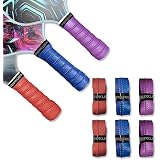
Overgrips, on the other hand, are a near-universal accessory, especially for paddles with a circumference less than 4.2 inches. Many players find that a slightly thicker grip size improves comfort and reduces vibration transmission to the arm, a common cause of fatigue. The market offers a vast array of overgrips, with favorites including Foreword, Bodi, Yougrip Edge, and Beyond Measure Pro-Tech. These vary in tackiness, durability, and absorption properties, catering to individual preferences.
Beyond increasing circumference, overgrips play a vital role in sweat management and enhancing the paddle’s feel. A fresh overgrip provides optimal tackiness, ensuring the paddle remains secure even during intense rallies. The Beyond Measure Pro-Tech, for example, is lauded for its comfortable feel without excessive tack, making it suitable for daily use. Regularly replacing overgrips is a simple yet effective way to maintain peak performance and hygiene.
For players with exceptionally sweaty hands, a hand-gripping spray can be a game-changer. Applied sparingly, often one spray per hand, and allowed to air dry for 30 seconds to a minute, these sprays create a tacky surface that significantly improves grip security. While initially feeling somewhat sticky, like tree sap, the spray dries down to a comfortable, non-slip texture. This aids in maintaining control and confidence, preventing the paddle from slipping, particularly during humid conditions or prolonged play.
Injury Prevention and Comfort: Arm Sleeves and Sweatbands
Addressing common pickleball-related issues like tennis elbow and managing sweat are critical for sustained play. Compression arm sleeves, such as those from Incrediwear and Floky, offer effective support for players experiencing discomfort or flare-ups of tennis elbow. These premium-priced sleeves provide targeted compression, which can improve blood circulation, reduce muscle vibration, and promote faster recovery.
The distinction between active play and recovery is important when choosing an arm sleeve. The Floky sleeve is preferred during play for its superior compression that facilitates freer movement, making it an excellent choice for on-court performance. In contrast, the Incrediwear sleeve excels during warm-ups or post-play recovery, providing comfort and relief when the arm is at rest. Utilizing both types of sleeves can offer a comprehensive approach to managing arm discomfort and preventing re-injury.
For managing sweat, especially in humid indoor facilities or during hot outdoor sessions, effective sweatbands are indispensable. Brands like Terra Lima and ADV1 offer high-quality options that are thin yet highly absorbent, negating the need for a separate towel. These headbands and wristbands effectively wick away moisture, preventing sweat from running into the eyes or affecting grip, thereby maintaining focus and comfort throughout a match.
Essential Eye Protection: A Non-Negotiable on the Court
Eye protection is perhaps the most crucial accessory for pickleball players, regardless of skill level. The speed of the ball, particularly during volleys and drives, poses a significant risk to eye safety. Lensless options like Dink glasses and Kitchen Blockers provide immediate protection without the common issues of fogging or glare associated with traditional lenses.
Kitchen Blockers are often considered the industry standard for indoor play due to their comprehensive coverage and fog-free design. While issues like strap pressure, smell accumulation, and nose piece stability can occur, their primary function of preventing direct ball impact to the eye is highly effective. Dink glasses offer a similar lensless solution in a more traditional eyewear frame, potentially appearing less bulky, but may offer slightly less direct impact absorption compared to the more rigid Kitchen Blockers.
For outdoor play, or for players who prefer a traditional lens-based solution, advanced eyewear from brands like Vantage and Brioti offers superior optical clarity and protection. These high-end glasses typically feature interchangeable lenses, allowing players to adapt to various lighting conditions and enhance ball visibility through contrast optimization. Vantage Labs, for instance, are noted for their clear view technology, which subtly boosts ball perception, particularly in outdoor settings. Their secure fit, hugging the back of the head, also ensures they stay put during dynamic movements.
However, traditional glasses, even high-performance ones, can face challenges indoors due to potential fogging and sweat accumulation on the lenses. The Brioti glasses address this with strategically placed air slits, allowing for better ventilation and delaying condensation buildup, making them more versatile for both indoor and outdoor use. They also boast an intuitive lens-changing mechanism and come with multiple nose pad sizes for a customized, comfortable fit. Both Vantage and Brioti, while a higher investment, offer enhanced protection, optical performance, and comfort, making them worthwhile for dedicated players seeking premium eye safety solutions.
Serve Up Your Questions: The Pickleball Accessory Q&A
Why is eye protection important in pickleball?
Eye protection is crucial because the pickleball can travel very fast, especially during volleys, posing a significant risk of eye injury. It helps prevent direct ball impact to your eyes.
Why would I add weight to my pickleball paddle?
Adding weight to your paddle can improve its power for shots like drives and overheads, and also enhance stability during play. It helps customize the paddle to your playing style.
What is the difference between an undergrip and an overgrip for a pickleball paddle?
An undergrip adds thickness or specialized support for comfort or specific issues like tennis elbow, while an overgrip is typically thinner and helps with sweat management, tackiness, and slight grip size adjustment.
What can I do if my hands get very sweaty during pickleball?
If you have sweaty hands, you can use an overgrip designed for absorption or apply a hand-gripping spray. These solutions help maintain a secure hold on your paddle, preventing it from slipping.