Mastering the Basics: Your Beginner’s Guide to Pickleball Rules
Pickleball is a fantastic sport that’s easy to learn and incredibly fun to play, making it perfect for beginners. If you’ve just watched the video above with Tracy Rolling and USA Pickleball Ambassador Wendi Myers, you’ve already got a great head start on understanding the core concepts of this exciting game. This post will expand on those fundamental pickleball rules, offering a more detailed look at serving, the unique two-bounce rule, navigating the “Kitchen,” and keeping score, ensuring you step onto the court with confidence.
Understanding the Pickleball Serve
The serve is where every rally begins in pickleball, and it has some distinct rules that set it apart from other paddle sports. Unlike tennis, which often features powerful overhand serves, pickleball emphasizes an underhand motion. This specific serving style contributes to the game’s accessibility and longer rallies.
Serving Mechanics: The Underhand Advantage
When you serve in pickleball, the contact point is crucial. The ball must be hit with an underhand stroke, meaning your paddle head must be below your wrist when you strike the ball. Additionally, the point of contact with the ball must be below your navel. This combination of rules ensures that serves are not overly powerful, keeping the game balanced and enjoyable for players of all skill levels. Remember, it’s all about control and accuracy, not brute force, when you’re serving in pickleball.
The Cross-Court Serve and Beyond
Once you’ve got the underhand motion down, you need to know where to aim. Every serve in pickleball must be hit cross-court, meaning if you serve from the right side of your court, the ball must land in the service box diagonally opposite on your opponent’s side. If it lands out of bounds or in the non-volley zone, it’s a fault. A crucial rule to remember is that you only get one serve attempt per turn, unlike in tennis where you get a second chance if the first is a fault. This adds an element of precision to each serve.
The Critical Two-Bounce Rule in Pickleball
One of the most defining and often initially confusing rules for newcomers is the two-bounce rule. This rule ensures that rallies are not immediately dominated by strong volleys, promoting longer and more strategic play from the baseline. Understanding and applying this rule correctly is key to enjoying a smooth pickleball game.
Executing the Two-Bounce Rule
The two-bounce rule states that after the serve, the receiving team must let the ball bounce once before returning it. Then, the serving team must also let the returned ball bounce once on their side before hitting it back over the net. Only after these two bounces have occurred (one on the receiver’s side, one on the server’s side) can players begin to volley the ball—that is, hit it out of the air before it bounces. This rule significantly influences early game strategy, keeping players further back from the net and encouraging thoughtful shot placement.
Navigating the Non-Volley Zone (The Kitchen)
Another unique aspect of pickleball is the Non-Volley Zone, universally known as “the Kitchen.” This area, extending seven feet from the net on both sides of the court, is designed to prevent players from standing too close to the net and smashing every shot. The Kitchen rule encourages finesse and strategic dinks, adding another layer of depth to the game.
Understanding Kitchen Restrictions
The main rule of the Kitchen is simple: you cannot hit the ball out of the air (volley) while you are standing in the Non-Volley Zone. This means if any part of your foot is touching the Kitchen line or is inside the Kitchen, you cannot volley the ball. If you do, it’s a fault. This rule applies even if you jump into the Kitchen to volley and land outside after hitting the ball; the act of being in the Kitchen during the volley is the fault.
When You Can Enter the Kitchen
While you can’t volley from the Kitchen, there are times you can legally step into it. If the ball bounces in the Kitchen, you are absolutely allowed to step into the zone to hit it after it bounces. However, once you’ve hit the ball, you must immediately get both feet back out of the Kitchen before you can attempt another volley. This “reset” ensures that players don’t linger in the zone, maintaining the strategic intent of the rule. Mastering play around the Kitchen edge is a hallmark of good pickleball players.
Decoding Pickleball Scoring
Pickleball scoring can seem a little different at first, especially with its three-number call-out. However, once you understand the logic, it’s quite straightforward and adds a strategic element to the game. Scoring is only possible for the serving team, which means you have to win the rally while serving to earn a point.
Calling the Score: The Three Numbers
When you call out the score in pickleball, you state three numbers in order: your team’s score, the opponent’s score, and the server number. For instance, “Zero, zero, two” means the serving team has 0 points, the receiving team has 0 points, and the player serving is the second server for their team in that turn. When you start a game, the initial score is always “Zero, zero, two,” indicating that the first server is actually considered the second server, allowing the team a chance to establish their serve. If the second server faults, it’s a “side out,” and the opponents get to serve.
Server Changes and Side Outs
In doubles pickleball, both players on a team get a chance to serve before it becomes a “side out” and the serve passes to the opposing team. The only exception is at the very beginning of the game, where the starting team gets only one server (the designated “second server”) before it’s a side out. After the initial side out, each team gets two serves per turn. The first server continues until they commit a fault, then the second server takes over. If the second server also faults, it’s a side out, and the serving opportunity transitions to the other team. This system ensures plenty of opportunities for both teams to score and keeps the game dynamic.
Why Pickleball is Great for Beginners
Pickleball has surged in popularity for many reasons, especially among those new to racket sports. Its rules, while unique, are intuitive once practiced, making it an ideal game for all ages and fitness levels. The smaller court size compared to tennis, combined with the lightweight paddle and slower-flying Wiffle-like ball, reduces physical demands and increases rally length. This fosters a welcoming environment for newcomers to engage in active play and social interaction, without the steep learning curve often associated with other sports.
Getting Started: What You Need to Play Pickleball
You don’t need much to jump into a game of pickleball, which is part of its appeal. Here’s a quick rundown of the essential pickleball equipment:
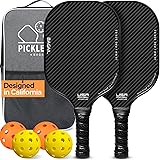
- Pickleball Paddle: These are smaller than tennis rackets but larger than ping-pong paddles. They are typically made from lightweight composite materials or graphite.
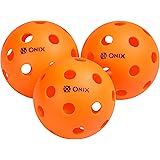
- Pickleball Ball: These are plastic, perforated balls, similar to a Wiffle ball, but specifically designed for pickleball with different hardnesses for indoor and outdoor play.
- Athletic Shoes: Comfortable court shoes are recommended to provide good grip and support for quick movements on the court.
- Comfortable Apparel: Any athletic clothing that allows for a full range of motion is perfect for playing pickleball.
Many local parks and recreation centers now feature dedicated pickleball courts, or you can often find shared courts marked for both tennis and pickleball. With your basic gear and a solid grasp of the pickleball rules, you’re ready to enjoy this fun and social sport.
Serving Up Answers: Your Pickleball Beginner Q&A
What is pickleball?
Pickleball is an easy-to-learn and fun paddle sport, played on a smaller court with a lightweight paddle and a Wiffle-like ball, making it great for beginners.
How do I serve the ball in pickleball?
You must hit the ball with an underhand stroke, ensuring your paddle head is below your wrist and the contact point is below your navel. The serve must also land diagonally opposite in the opponent’s service box.
What is the two-bounce rule in pickleball?
After the serve, the ball must bounce once on the receiver’s side, and then once on the server’s side, before players can hit the ball out of the air (volley).
What is the ‘Kitchen’ in pickleball?
The ‘Kitchen,’ also known as the Non-Volley Zone, is an area seven feet from the net where players are not allowed to hit the ball out of the air (volley).
How do you score points in pickleball?
Only the serving team can score points in pickleball. The score is called with three numbers: your team’s score, the opponent’s score, and which server is currently serving for your team.