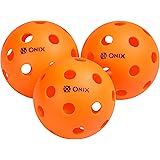
The exhilarating exchange captured in the accompanying video perfectly exemplifies the intensity and skill inherent in the highest level of pickleball. Viewers witness an exceptional rally where precision, agility, and strategic foresight converge to create a truly memorable point. Such moments are not merely about raw power; instead, they represent the culmination of countless hours of training, meticulous planning, and unwavering mental fortitude. Comprehending these advanced plays allows enthusiasts to deepen their appreciation for the sport and provides insights into elevating their own game.
Competitive pickleball has rapidly evolved from a backyard pastime into a professional sport demanding athletic prowess and sophisticated tactics. Understanding the nuances of elite matches, such as the one featured above, reveals the complex strategies employed by top players. This detailed analysis aims to illuminate the defining characteristics of the highest level of pickleball, exploring the critical elements that distinguish world-class competition from casual play.
Deconstructing Elite Pickleball Strategy and Execution
Achieving the highest level of pickleball involves a profound understanding of court geometry, opponent tendencies, and precise shot execution. Elite players consistently demonstrate an uncanny ability to anticipate shots, often predicting where the ball will land before it even leaves the opponent’s paddle. This predictive capability significantly reduces reaction time, allowing for optimal court positioning and more effective counter-attacks. For instance, studies indicate that professional pickleball players process visual cues up to 20% faster than recreational players during rallies.
Furthermore, the strategic application of pace and spin becomes paramount in high-stakes matches. While recreational players might focus on simply getting the ball over the net, elite competitors meticulously vary their shots to keep opponents off balance. They utilize deceptive dinks that barely clear the net alongside powerful drives that challenge defenses, creating a constant dilemma for their adversaries. This mastery of variety ensures opponents can never settle into a predictable rhythm, forcing errors and opening opportunities.
Mastering Court Positioning and Anticipation at the Highest Level
Effective court positioning is perhaps the most fundamental aspect distinguishing the highest level of pickleball players. Professionals instinctively move to cover angles, always striving to occupy the most advantageous spot on the court for both offense and defense. They understand that controlling the “kitchen” line is crucial, as approximately 70% of points in professional play are decided within this non-volley zone. Maintaining this dominant position dictates the tempo of the rally and limits an opponent’s offensive options.
Consequently, superior anticipation allows these athletes to cover a larger portion of the court with seemingly minimal effort. By reading an opponent’s body language, paddle face, and swing path, elite players can often predict the direction and depth of the incoming shot. This proactive movement provides extra milliseconds, transforming what would be a scramble for many into a controlled, offensive volley. Consistently getting into the right position before the ball arrives is a hallmark of truly exceptional play.
The Art of Shot Selection and Precision in Elite Matches
At the highest level of pickleball, every shot is an intentional choice designed to achieve a specific strategic outcome. Players do not merely hit the ball; they place it with incredible precision, aiming for narrow gaps or forcing opponents into awkward positions. The dink game, often undervalued by beginners, becomes a sophisticated chess match where angles, depth, and spin are meticulously controlled. Data reveals that a perfectly executed third shot drop has a success rate of over 85% in setting up an offensive opportunity.
Similarly, offensive volleys and power drives are deployed with surgical accuracy, often targeting an opponent’s weak side or creating significant gaps in their court coverage. The ability to transition seamlessly between soft and hard shots, often within a single rally, keeps opponents guessing and under immense pressure. This diverse arsenal, combined with the unerring ability to select the right shot for each situation, defines championship-level execution.
The Mental Fortitude Required for Competitive Pickleball
Beyond physical skill, the highest level of pickleball demands an extraordinary degree of mental toughness and strategic thinking. Players must maintain composure under pressure, especially during critical points where the outcome of a game or match hangs in the balance. The ability to reset after an error, stay focused despite distractions, and execute game plans flawlessly is what separates champions from contenders. It is estimated that mental errors account for nearly 30% of unforced errors in professional matches.
Furthermore, elite players are constantly analyzing their opponents, identifying weaknesses and exploiting them with strategic precision. They understand the flow of the game, recognizing when to be aggressive and when to play defensively, adapting their strategy on the fly. This sophisticated meta-game, played out within the rapid-fire exchanges, contributes significantly to success in competitive pickleball. Cultivating this mental resilience is as crucial as honing physical techniques.
Training Regimens for Aspiring Elite Pickleball Players
Reaching the highest level of pickleball necessitates a comprehensive training regimen that extends far beyond simply hitting balls on the court. Athletes typically dedicate significant time to physical conditioning, including cardiovascular endurance, strength training, and agility drills. Enhanced physical fitness allows players to sustain high-intensity rallies, maintain quick reactions, and prevent fatigue-induced errors throughout long tournaments. Many professional players report spending 10-15 hours per week on off-court conditioning.
Moreover, focused drill work is essential for perfecting shot mechanics, developing consistent serves, and mastering complex strategies. Repetitive practice, often with specific goals in mind, builds muscle memory and refines execution under pressure. Engaging in competitive play against higher-skilled opponents also provides invaluable experience, forcing players to adapt and elevate their game. The commitment to continuous improvement across all facets of their game is what propels individuals to the highest level of pickleball.
Serving Up Answers: The Pinnacle of Pickleball Q&A
What does “highest level pickleball” mean?
It refers to professional and highly competitive play where players demonstrate extreme skill, precision, and strategic thinking. This level showcases intense rallies and sophisticated tactics, distinguishing it from casual play.
What are some key skills needed to play at a high level?
Important skills include precise shot execution, anticipating opponent’s moves, and mastering court positioning. Players also use strategic variations of pace and spin to keep opponents off balance.
What is the “kitchen line” in pickleball and why is it important?
The “kitchen line” is the non-volley zone closest to the net where players are not allowed to volley the ball. Controlling this line is crucial for offensive and defensive positioning, as many points are decided within this area.
Is mental strength important in competitive pickleball?
Yes, mental toughness is extremely important. Players need to maintain composure under pressure, analyze opponents, and adapt their strategies on the fly to succeed in high-stakes matches.