Learning pickleball is a rewarding experience. This guide expands on the video above, offering essential information for any beginner. Pickleball combines elements from badminton, tennis, and table tennis. It is played on a compact court with a unique net system. Understanding its basic principles is crucial for enjoyment. New players often benefit from clear explanations. This article aims to provide that clarity.
What Exactly Is Pickleball?
Pickleball is a paddle sport growing in popularity. It offers a fun and engaging workout. The game can be enjoyed by people of all ages. Its unique blend of familiar sports creates an accessible challenge. Many find pickleball to be less strenuous than tennis.
The Blended Sport
Imagine if badminton’s court size met tennis’s volley action. Add the fast pace of table tennis. That is the essence of pickleball. A solid paddle is used instead of a stringed racquet. A plastic wiffle ball is hit over the net. This combination makes for distinct gameplay.
The game’s origin story is interesting. It was invented in 1965 on Bainbridge Island. Joel Pritchard and his friends created it. They used what was available. This included ping-pong paddles and a wiffle ball. A badminton court was also utilized.
Why Beginners Love It
Pickleball is easy to learn. Its simple rules are quickly grasped. Less demanding movements are often required. This appeals to many new athletes. Social interaction is also a major draw. Many communities have active pickleball groups.
The smaller court size reduces running. This makes it ideal for various fitness levels. Success can be found quickly. This encourages continued play. Friendships are often formed on the court.
Essential Pickleball Equipment for Beginners
Proper equipment is necessary for playing pickleball. Fortunately, the basic gear is straightforward. You will need a paddle and a pickleball. Comfortable athletic wear is also advised. These items prepare you for the court.
Choosing Your Paddle
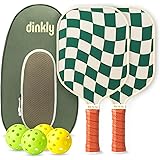
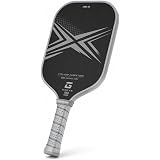
Pickleball paddles differ from tennis racquets. They are solid, not strung. Materials like graphite, composite, or wood are common. Wood paddles are often heavier and more affordable. They are good for initial learning.
Composite paddles offer a balance of power and control. Graphite paddles are lightweight and powerful. Many beginners start with a mid-range composite paddle. It provides a versatile feel. Choosing a paddle should consider your budget and playing style.
Understanding the Ball
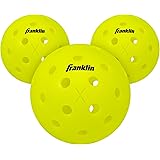
The pickleball itself is unique. It is a lightweight plastic ball. Holes are drilled throughout its surface. These holes affect its flight path. The ball flies slower than a tennis ball. This allows for longer rallies.
Indoor and outdoor pickleballs exist. Outdoor balls are slightly heavier and harder. They resist wind better. Indoor balls are lighter and softer. They are often preferred for controlled environments. Using the correct ball improves your game.
Dressing for the Court
Comfortable athletic clothing is essential. Movement is important in pickleball. Lightweight, breathable fabrics are recommended. Consider wearing athletic shoes with good support. Court shoes provide stability. This helps prevent injuries.
Imagine if you tried to play in unsuitable shoes. Your footing would be unstable. Good shoes improve your agility. They also protect your feet. Hydration is also key; bring water to the court.
The Pickleball Court Demystified
The pickleball court is similar to a badminton court. Its dimensions are standardized. Understanding these areas is critical. This knowledge impacts strategy and shot placement. Familiarity with the court layout is very helpful.
Key Court Areas
A pickleball court measures 20 feet wide by 44 feet long. These dimensions are for both singles and doubles. A net divides the court in half. This net is 36 inches high at the sidelines. It measures 34 inches in the center.
Service courts are located on each side. They are 10 feet wide by 15 feet long. Players must serve into these boxes. The lines define these important boundaries. Knowing these helps with accurate serving.
The Non-Volley Zone Explained
Perhaps the most unique feature is the non-volley zone. It is often called “the kitchen.” This area extends seven feet on each side of the net. Players are not allowed to hit the ball in the air while standing in this zone. This is a critical pickleball rule.
Imagine if you were standing in the kitchen. You could not volley the ball. Volleying means hitting the ball before it bounces. This rule prevents aggressive play at the net. It encourages strategic dink shots. The non-volley zone forces players to move back.
Mastering the Serve in Pickleball
The serve initiates every point in pickleball. Specific rules govern this action. A legal serve is fundamental to playing. Learning proper serving technique is a key first step. It sets the tone for the rally.
Serving Fundamentals
The serve must be hit underhand. The paddle contact must be below the waist. The ball cannot be dropped and then hit. It must be struck out of hand. The server stands behind the baseline. The serve is aimed diagonally into the opponent’s service court.
Only one serve attempt is typically allowed. However, if the ball hits the net and lands in, it is a “let” serve. A let serve is replayed. This rule ensures fairness in serving.
Serve Variations
While the underhand serve is standard, technique can vary. Some players use a continental grip. Others prefer a western grip. Spin can also be imparted on the ball. Topspin or backspin affects its bounce.
Imagine if your serve had a gentle topspin. It might dip quickly over the net. This makes it harder to return. Practice different serve depths and angles. This improves your serving consistency. A reliable serve is a huge asset.
Understanding Scoring and Game Play in Pickleball
Scoring in pickleball has its own rhythm. Points are only scored by the serving team. This rule distinguishes pickleball from tennis. Games are typically played to 11 points. A two-point lead is required for victory.
How Points Are Earned
A point is scored when the opponent commits a fault. Faults include hitting the ball out of bounds. Letting the ball bounce twice is also a fault. Volleying in the non-volley zone is another common fault. The serving team gets the point.
In doubles, both players on a team serve. The first server is designated “server one.” The second player is “server two.” Points are usually called as three numbers: server’s score, opponent’s score, and server number (1 or 2).
The Importance of Serving
Since only the serving team can score, holding your serve is vital. If the serving team commits a fault, they lose the serve. This is called a “side out.” The serve then goes to the opposing team.
Imagine if your team repeatedly lost its serve. You would struggle to score points. Strategic play is involved in serving. It is about more than just getting the ball over. It involves placement and consistency.
Basic Pickleball Rules for Beginners
Beyond serving and scoring, other key rules exist. These rules ensure fair and flowing gameplay. Familiarizing yourself with them enhances your understanding. It also helps prevent common errors. These are fundamental to playing pickleball.
The Two-Bounce Rule
This rule is central to pickleball. The serve must bounce once before being returned. The return of serve must also bounce once. Only after these two bounces can volleys occur. This is often called the “double bounce rule.”
Imagine if you returned a serve mid-air. That would be a fault. The ball must bounce first. This rule prevents immediate aggressive volleys. It allows players to get into position. This often leads to longer rallies.
Common Faults to Avoid
Many actions can result in a fault. Hitting the ball out of bounds is one. Letting the ball bounce twice on your side is another. Volleying while in the non-volley zone is a crucial fault. Touching the net with your paddle or body is also a fault.
Stepping on the non-volley line during a volley is a fault. A fault ends the rally. It results in either a point for the server or a side out. Understanding these faults reduces frustration. It improves your game awareness.
Getting Started with Pickleball
Embarking on your pickleball journey is exciting. A few practical steps can help you. Finding places to play is important. Connecting with other players makes the experience better. Getting started is easier than it might seem.
Finding a Court
Many communities offer pickleball courts. Local parks and recreation centers often have them. YMCA facilities frequently provide courts. Some tennis courts are marked for pickleball. Websites and apps can help locate courts near you.
Imagine if you found a dedicated pickleball court. It would be perfectly set up. This makes learning and playing much simpler. Check local listings for open play times. This allows you to join in quickly.
Joining the Community
Pickleball is known for its friendly atmosphere. Many local groups welcome new players. These groups often host organized play. They are a great way to meet people. Learning from experienced players is invaluable.
Online forums and social media groups exist. These can connect you to players. Do not be afraid to introduce yourself. Most pickleball players are very welcoming. They are eager to share their love of the game. Enjoying pickleball truly enhances community spirit.
Serving Up Answers: Your Pickleball Q&A
What exactly is pickleball?
Pickleball is a paddle sport that blends elements from badminton, tennis, and table tennis. It’s played on a compact court with a solid paddle and a plastic wiffle ball, making it fun and accessible for various ages.
What basic equipment do I need to play pickleball?
To play pickleball, you primarily need a solid paddle and a lightweight plastic pickleball. Comfortable athletic clothing and court shoes are also advised for movement and support.
What is the ‘non-volley zone’ or ‘kitchen’ on a pickleball court?
The non-volley zone, commonly called ‘the kitchen,’ is the area seven feet on each side of the net where players are not allowed to hit the ball in the air (volley). This rule prevents aggressive net play and encourages strategic dink shots.
What is the ‘two-bounce rule’ in pickleball?
The ‘two-bounce rule’ means the serve must bounce once before being returned, and the return of that serve must also bounce once before the serving team can hit it. Only after these initial two bounces can players hit the ball in the air (volley).