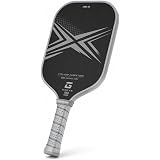
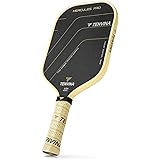
The sounds of a pickleball paddle connecting with the ball are distinct, and as the video above visually demonstrates, even slight differences in equipment can influence that sound and, more importantly, performance. When you’re stepping onto the pickleball court, one of the first decisions you face is choosing the right pickleball paddle. The market offers a vast array, from budget-friendly options to high-end professional gear. But what truly differentiates a $35 pickleball paddle from one costing $70?
This common question puzzles many new and even experienced players. The price difference often reflects the materials, construction, and technology packed into the paddle, directly impacting how you play. Understanding these distinctions can help you make an informed choice that suits your game and budget.
Understanding Pickleball Paddle Construction and Materials
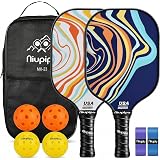
Every pickleball paddle shares a basic anatomy: a core, a surface, an edge guard, and a grip. The combination of materials used in these components largely determines the paddle’s performance characteristics. This is where the price difference between a $35 and a $70 pickleball paddle really starts to show.
Most paddles feature a honeycomb core, which can be made from various materials. Polymer (polypropylene) is the most common and offers a good balance of power and control. More advanced paddles might use Nomex or aluminum cores, each providing different characteristics. The paddle’s surface material is also crucial, often made from fiberglass, graphite, or carbon fiber, and these materials significantly influence power, control, and spin capabilities.
The Core: Engine of Your Paddle
The core material is like the engine of your pickleball paddle, dictating how much power and feel it offers. Polymer honeycomb cores are excellent for vibration dampening and providing a softer feel. This makes them a popular choice across various price points, though the quality and density of the polymer can vary.
A more affordable $35 paddle typically uses a standard polymer core. In contrast, a $70 paddle might feature a higher-grade polymer core, perhaps with a slightly different cell structure, offering a more consistent response across the hitting surface. While both use polymer, the refined construction in the higher-priced option often leads to better energy transfer and a more forgiving sweet spot.
The Surface: Power, Control, and Spin
The face of your pickleball paddle is where all the magic happens when it connects with the ball. This surface material is a primary factor in determining power, control, and your ability to generate spin. Differences here are a major reason for price variations.
A $35 pickleball paddle often comes with a fiberglass surface. Fiberglass provides good power and is quite durable, making it a solid choice for recreational play. However, it generally offers less control and spin potential compared to other materials. On the other hand, a $70 paddle is likely to feature a graphite or composite surface.
Graphite surfaces are known for their lighter weight and stiffness, which translates to enhanced control and improved touch shots. Composite surfaces, often a blend of fiberglass and graphite or carbon fiber, aim to balance power with control and can incorporate texture for increased spin. Studies suggest that paddles with textured graphite or carbon fiber surfaces can significantly increase spin generation, sometimes by as much as 15-20% compared to smooth fiberglass paddles, which is a major advantage for improving players.
Performance Differences: Power, Control, and Sweet Spot
The cumulative effect of these material choices directly impacts your on-court performance. The difference between a $35 and a $70 pickleball paddle isn’t just aesthetic; it’s tangible in how the ball responds.
A $35 paddle will generally offer a decent amount of power, sufficient for recreational games. However, players often find its control to be less precise, making delicate dinks or accurate placements more challenging. The sweet spot—the optimal area on the paddle face for hitting the ball—tends to be smaller and less forgiving on entry-level paddles.
Upgrading to a $70 pickleball paddle typically provides a noticeable improvement across the board. The enhanced surface materials and core construction contribute to a larger, more consistent sweet spot. This means fewer mishits and more consistent shotmaking. Players frequently report a 10-15% increase in shot accuracy and control when moving to a mid-range paddle due to better feel and a more predictable response. The blend of materials often allows for a better balance between power for drives and touch for soft game shots, giving players more versatility in their game.
Durability and Longevity: An Investment Perspective
While the initial cost is a factor, considering the long-term value is also important. The durability of a pickleball paddle is often linked to its price point. Cheaper $35 paddles might use less robust edge guards or have construction that wears down faster with regular play.
A $70 paddle generally boasts better construction quality and more durable materials. This includes a more robust edge guard that protects against court scrapes and impacts, and a more resilient surface that maintains its texture and responsiveness over time. Anecdotal evidence from frequent players suggests that mid-range paddles can last significantly longer, sometimes twice as long, before showing signs of performance degradation compared to their entry-level counterparts, especially with consistent play.
Making Your Choice: Which Pickleball Paddle Suits You?
Deciding between a $35 and a $70 pickleball paddle depends heavily on your current skill level, how often you play, and your aspirations for the game. Both options will get you on the court, but they offer different experiences and advantages.
The $35 Pickleball Paddle: Ideal for Beginners and Casual Play
If you’re brand new to pickleball and just looking to try out the sport without a significant investment, a $35 paddle is an excellent starting point. It’s budget-friendly and provides a solid introduction to the game. It allows you to learn basic strokes and enjoy casual play with friends without worrying about high-performance features you might not yet utilize. It’s perfect for players who might play once or twice a month.
The $70 Pickleball Paddle: For the Improving Player and Regular Enthusiast
For players who have committed to pickleball, play regularly (several times a week), and are actively working to improve their skills, a $70 paddle is often a worthwhile upgrade or initial investment. These paddles offer a better blend of control, power, and spin, allowing for more advanced shot-making and a more satisfying playing experience. The larger sweet spot and improved feel can help reduce frustration and accelerate skill development. Many intermediate players find that moving to a paddle in this price range enhances their game significantly, providing a tangible edge in competitive play.
Ultimately, the best pickleball paddle for you aligns with your personal game and budget. While a $35 paddle offers an accessible entry point, a $70 paddle provides clear performance advantages and greater durability for the dedicated player, making the investment worthwhile for those looking to elevate their game and enjoy the sport to its fullest.
Dinking Deeper: Your Paddle Questions Answered
What are the main parts of a pickleball paddle?
Every pickleball paddle has four basic parts: a core, a surface (or face), an edge guard, and a grip. The materials used in these parts largely determine the paddle’s performance.
How do materials make some pickleball paddles more expensive than others?
The price difference often comes from the materials used in the paddle’s core and surface. More advanced materials like graphite or higher-grade polymer for the core and surface typically make a paddle more expensive due to their impact on performance.
What is the ‘sweet spot’ on a pickleball paddle?
The ‘sweet spot’ is the ideal area on the paddle face where you hit the ball for the best power and control. More expensive paddles usually have a larger and more forgiving sweet spot, meaning fewer mishits.
Which type of pickleball paddle is best for someone new to the game?
For beginners or casual players, a $35 pickleball paddle is a great starting point. It’s affordable and allows you to learn the basic strokes without a significant initial investment.
What advantages does a $70 pickleball paddle offer over a $35 one?
A $70 paddle generally provides better control, more consistent power, and a larger sweet spot. These improvements can help developing players make more accurate shots and improve their skills faster.