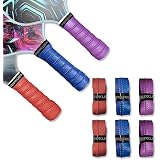
Do you ever struggle with your pickleball paddle slipping? Or maybe you seek a personalized feel? The accompanying video visually chronicles the journey of successfully applying a new overgrip. While the process appears simple, it often demands precision. The creator humorously notes four attempts. This highlights a common challenge. Mastering your pickleball overgrip application is a critical skill. It significantly impacts your game. Let’s explore the nuances of paddle overgrip optimization.
The Unseen Edge: Why Every Paddle Needs an Overgrip
An overgrip offers more than just aesthetics. It is a fundamental performance enhancer. Professional players universally understand its value. It improves paddle handling significantly. Consider these key benefits:
- **Superior Control:** A fresh overgrip provides enhanced tackiness. This means a firmer hold on your paddle. Your grip remains secure even during intense rallies. This translates to precise shot placement. Control is paramount in pickleball.
- **Enhanced Comfort:** The right overgrip adds a layer of cushioning. This dampens vibrations. It reduces impact on your hand and arm. Less fatigue means more endurance. Comfortable play is sustained play.
- **Moisture Absorption:** Sweaty palms are a common issue. An overgrip is designed for excellent moisture wicking. It keeps your hands dry. A dry grip prevents slippage. This maintains consistent paddle control.
- **Injury Prevention:** A loose grip causes tension. Overgrips help maintain a relaxed hand. This reduces the risk of common pickleball injuries. Examples include tennis elbow. Preventative measures are smart play.
- **Customization Potential:** Overgrips allow personal expression. Choose colors like the purple in the video. This distinguishes your paddle. It also fine-tunes grip circumference. A slightly thicker grip might suit larger hands.
Decoding Overgrip Options: Material and Feel
Selecting the ideal overgrip is not arbitrary. Different materials offer distinct properties. Your playing style dictates the best choice. Consider these variations:
Understanding Overgrip Materials and Properties
Most overgrips feature polyurethane (PU). This material provides durability. It also delivers necessary tackiness. Some models integrate a felt backing. This enhances moisture absorption. Different textures are also available. These influence the overall feel.
- **Tackiness Levels:** Some players prefer a very sticky grip. Others favor a medium tack. High tack ensures maximum paddle security. Lower tack offers easier hand adjustments. This is crucial for rapid grip changes.
- **Absorption Capabilities:** Highly absorbent overgrips are ideal. They suit players with excessive hand perspiration. These often have a slightly drier feel. They maintain performance in humid conditions.
- **Cushioning and Thickness:** Overgrips vary in thickness. Thicker options provide more cushioning. They offer better vibration dampening. Thinner overgrips maintain a closer feel to the base grip. They reduce overall grip size.
- **Durability Factors:** Overgrip longevity varies. Premium materials typically last longer. A durable overgrip withstands abrasive play. It resists breakdown from sweat and friction.
Experimentation is key here. Try different brands and styles. Find what complements your game. Your grip feel directly impacts confidence. It influences shot execution.
Mastering Pickleball Overgrip Application: A Step-by-Step Guide
As the video shows, applying an overgrip requires practice. The four attempts highlight this reality. Patience is a valuable asset. Follow these expert steps for a flawless installation.
Precision Application Techniques for Your Paddle Overgrip
- **Prepare Your Paddle:** Ensure the existing base grip is clean. Remove any old overgrip if present. Wipe down the handle surface. A clean base allows better adhesion.
- **Start at the Butt Cap:** Begin wrapping at the paddle’s butt cap. This is the bottom of the handle. Unroll a small section of the overgrip. Locate the starting adhesive strip. Secure it firmly around the butt cap.
- **Maintain Consistent Angle:** Angle the overgrip upward. Work your way towards the paddle face. The angle dictates the overlap. A consistent angle prevents gaps.
- **Apply Even Tension:** Pull the overgrip taut. Maintain uniform tension throughout. Too loose, and it will wrinkle. Too tight, and it might tear. Even tension ensures a smooth finish.
- **Overlap Uniformly:** Overlap each subsequent layer slightly. Aim for approximately 1/8 to 1/4 inch. This creates a seamless, durable surface. Inconsistent overlap creates ridges. These can cause discomfort.
- **Follow the Bevels (If Applicable):** Some paddle grips have distinct bevels. Wrap the overgrip along these contours. This preserves the ergonomic shape. It enhances natural hand placement.
- **Finish at the Top:** Wrap until you reach the desired length. This is usually just below the paddle throat. Cut any excess material cleanly.
- **Secure with Finishing Tape:** Most overgrips come with finishing tape. Wrap this tape tightly. It secures the end of the overgrip. This prevents unraveling during play.
Common Pitfalls to Avoid During Installation
Many players encounter initial difficulties. The video’s experience is relatable. Avoid these common mistakes:
- **Uneven Tension:** This leads to bubbles and wrinkles. The grip feels inconsistent. Practice applying constant pressure.
- **Incorrect Overlap:** Too much overlap creates bulk. Too little leaves gaps. Both affect grip feel and durability.
- **Starting Angle Issues:** A poor starting angle complicates the wrap. It makes maintaining consistency difficult. Ensure a smooth initial transition.
- **Ignoring Bevels:** This can flatten the grip profile. It compromises ergonomic design. The paddle may feel unnatural.
Beyond Installation: Optimizing Your Paddle Overgrip
Applying an overgrip is just the beginning. Proper maintenance extends its life. It also sustains peak performance. Regular attention ensures your paddle remains optimized.
Ensuring Peak Performance and Longevity
- **Routine Cleaning:** Wipe your overgrip regularly. Use a damp cloth to remove dirt. This restores some tackiness. It prolongs the grip’s effective life.
- **Timely Replacement:** Overgrips are consumable items. They degrade with use and sweat. Replace yours when it loses tack. Replace it when it feels slick or worn. A rule of thumb is every 10-20 hours of play. Aggressive players might need more frequent changes.
- **Impact on Balance:** An overgrip adds minor weight. This can subtly alter paddle balance. Most changes are negligible. However, sensitive players might notice. Consider swing weight effects.
- **Storage Practices:** Store your paddle properly. Avoid extreme temperatures. Keep it out of direct sunlight. These conditions can degrade the overgrip material.
A well-maintained overgrip supports your game. It provides consistent feel and control. It prevents frustrating slips. Invest time in this critical component. Your performance on the court will reflect it.
Ultimately, a high-quality, properly installed overgrip is invaluable. It transforms your paddle into an extension of your hand. It enhances comfort, control, and moisture management. This leads to more confident play. It helps prevent performance issues. Regular attention to your overgrip ensures consistent, optimal paddle performance.
Your Overgrip Q&A: Get a Better Handle on Your Game
What is an overgrip for a pickleball paddle?
An overgrip is a thin, additional layer wrapped over your paddle’s existing handle grip. It is used to improve your hold and feel of the paddle, preventing it from slipping during play.
Why should I use an overgrip on my pickleball paddle?
Overgrips offer better control by preventing slippage, add comfort by cushioning your hand, and absorb sweat to keep your grip dry. They also help reduce the risk of common pickleball injuries.
Are there different types of overgrips for pickleball?
Yes, overgrips vary in material, tackiness, moisture absorption, and thickness. Different options allow you to customize the feel and performance of your paddle to suit your personal preference.
How often should I replace my pickleball overgrip?
You should replace your overgrip when it starts to feel slick, worn, or loses its tackiness, typically every 10-20 hours of play. Regular replacement ensures consistent grip and performance.