Choosing the right pickleball paddle often feels like navigating a maze of options, especially when comparing budget-friendly choices with more premium models. Many players initially struggle with the decision of whether to invest heavily or opt for a less expensive alternative, questioning if the higher price truly translates to better performance on the court. Fortunately, understanding the core differences between these paddles can significantly clarify your purchasing decision, helping you find the perfect match for your playing style and budget.
As briefly demonstrated in the accompanying video, the distinction between a cheap and an expensive pickleball paddle extends beyond just the brand name or aesthetics. These differences fundamentally influence crucial aspects of your game, including the paddle’s sound, its power delivery, and its capacity for spin. This comprehensive guide will delve deeper into these technical disparities, providing concrete examples and insights to empower your pickleball paddle selection process.
Beyond the Basics: Understanding Pickleball Paddle Differences
The immediate contrast between various pickleball paddles often appears subtle to the untrained eye, yet significant engineering and material science separate them. Essentially, the price tag frequently reflects the sophistication of a paddle’s internal construction and the quality of its components. Higher-end paddles typically incorporate advanced materials and innovative design features that enhance playability, durability, and overall feel during intense rallies and precise shots.
Consider the impact these differences have on your game; a more expensive paddle might offer superior control for delicate dinks or generate aggressive top-spin on serves. Conversely, a less costly option could provide a robust entry point for beginners, allowing them to learn the fundamentals without a significant initial investment. Recognizing these distinctions empowers players to make informed decisions that align with their skill level and competitive aspirations on the court.
1. Core Construction and Materials: The Heart of the Paddle
The internal core of a pickleball paddle largely dictates its fundamental characteristics, influencing everything from power generation to vibration dampening. Cheaper paddles frequently utilize a thinner polypropylene honeycomb core or even aluminum, which generally offers a consistent feel but may lack advanced performance features. Polypropylene cores, prevalent across various price points, provide a good balance of power and control, yet their density and cell size vary greatly.
More expensive paddles often feature thicker, more advanced polypropylene or even specialized polymer cores engineered for enhanced energy transfer and a larger sweet spot. These high-performance cores contribute to a more responsive feel and greater consistency across the paddle face, minimizing dead spots. The surface material is equally vital; fiberglass often covers budget paddles, while premium models frequently boast carbon fiber or graphite faces, which dramatically improve spin and touch.
2. Weight and Balance: A Crucial Factor in Performance
A paddle’s weight profoundly impacts a player’s swing speed, power potential, and overall maneuverability on the court. Lighter paddles, typically weighing between 7.0 and 7.5 ounces, allow for quicker hand speed at the net and reduce arm fatigue during extended play sessions. However, these paddles might sacrifice some raw power, requiring players to generate more force through their swing mechanics for deep shots.
Mid-weight paddles, usually ranging from 7.6 to 8.2 ounces, represent a popular choice, offering a versatile blend of control and power suitable for many playing styles. Heavier paddles, exceeding 8.3 ounces, deliver maximum power and stability, especially beneficial for driving shots and blocking hard returns. However, heavier options can also lead to increased arm strain and slower reactions, demonstrating a crucial trade-off for players to consider.
3. Grip and Ergonomics for Optimal Play
The comfort and fit of a paddle’s grip are often underestimated but critically important for control and preventing common pickleball injuries. Budget paddles sometimes come with basic, one-size-fits-all grips that may not offer optimal shock absorption or tactile feedback. Conversely, higher-priced paddles typically feature premium grip materials, often designed for superior moisture-wicking and enhanced cushioning, which improves comfort during long matches.
Grip size also plays a pivotal role in preventing wrist strain and ensuring proper paddle control, with expensive brands offering various options or ergonomic designs. The overall handle length and circumference contribute to comfort and technique, allowing players to execute specific shots like two-handed backhands effectively. Selecting a paddle with an appropriate grip can significantly elevate a player’s game and enjoyment, regardless of their skill level.
4. The Science of Spin and Sweet Spot Enhancement
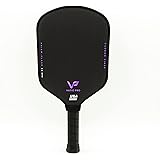
The ability to generate spin on the pickleball is a significant advantage, allowing players to add topspin for aggressive drives or slice for deceptive drop shots. As the video highlighted, expensive paddles generally offer superior spin potential due to their advanced surface textures and materials. These surfaces often feature a unique grit or a raw carbon fiber finish, designed to grip the ball more effectively upon contact, imparting greater rotation.
Moreover, premium paddles are engineered to have a larger and more forgiving sweet spot, which is the optimal area on the paddle face for consistent ball contact. This expanded sweet spot minimizes mis-hits and ensures more predictable power and spin even on off-center shots. Manufacturers achieve this through precise core construction and perimeter weighting, providing a noticeable performance boost compared to paddles with smaller, less consistent sweet spots.
5. Power vs. Control: Finding Your Ideal Balance
Every pickleball paddle embodies a particular balance between power and control, a fundamental aspect that players must consider based on their playing style. Paddles designed for maximum power often feature harder core materials and a thicker profile, allowing them to launch the ball with greater velocity. These paddles are excellent for aggressive baseliners who enjoy driving the ball deep into their opponent’s court.
In contrast, paddles emphasizing control typically possess softer cores and thinner profiles, which enhance touch and absorb more energy from the ball. Such paddles are favored by tactical players who rely on precise dinks, accurate volleys, and strategic placement rather than brute force. Understanding this inherent trade-off helps players select a paddle that complements their strengths and improves their overall court strategy.
6. Durability and Longevity of Your Investment
The durability of a pickleball paddle directly correlates with the quality of its materials and construction, impacting its lifespan and consistent performance. Cheaper paddles may use less resilient composite materials or have less robust edge guards, making them more susceptible to wear and tear. These paddles might develop dead spots or delaminate more quickly, especially with frequent use and accidental court impacts.
Expensive paddles, however, are generally built with high-grade carbon fiber faces, durable polymer cores, and reinforced edge guards, designed to withstand the rigors of competitive play. Investing in a premium paddle often means purchasing a piece of equipment that maintains its performance characteristics over a longer period, offering a better long-term return on investment for dedicated players who spend many hours on the court each week.
7. The $50 Paddle: Value and Performance for Beginners
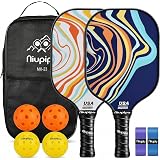
The mention of a $50 paddle, even with a promotional code like “SHORTS,” illustrates that accessible, budget-friendly options certainly exist within the pickleball market. These entry-level paddles are fantastic for beginners just starting their pickleball journey, providing a solid foundation to learn the game’s basics without a substantial financial commitment. They often offer a balanced feel, decent power, and adequate control for recreational play.
While a $50 paddle might not feature the advanced spin textures or the expansive sweet spot of its pricier counterparts, it serves its purpose exceptionally well for casual games and skill development. It allows new players to experience the sport, understand their preferences, and develop their technique before considering an upgrade to a more specialized pickleball paddle tailored to their evolving game.
Making Your Choice: Selecting the Right Pickleball Paddle
Ultimately, the choice between a cheap and an expensive pickleball paddle hinges on individual needs, playing style, and budget. While premium paddles offer undeniable performance advantages through advanced materials, superior construction, and enhanced playability, they are not always necessary for everyone. Beginners can comfortably start with a more affordable option, mastering the fundamentals before seeking an upgrade.
Experienced players, however, will likely appreciate the nuanced differences in feel, spin, power, and durability that a higher-end paddle provides, enabling them to fine-tune their game. Consider what aspects of your play you prioritize most—is it power, control, spin, or comfort? Trying out various paddle weights and surface types can significantly inform your decision, ensuring you find the perfect pickleball paddle that genuinely elevates your performance on the court.
Beyond the Price Tag: Your Paddle Questions Answered
What makes expensive pickleball paddles different from cheaper ones?
Expensive paddles often use advanced materials and construction that improve performance aspects like power, spin, and control. Cheaper paddles are still good for learning the basics but may lack these high-performance features.
How does a paddle’s weight affect my game?
A paddle’s weight influences your swing speed, power, and how easily you can move it. Lighter paddles allow for quicker reactions, while heavier ones provide more power but can be slower.
What is the “sweet spot” on a pickleball paddle?
The sweet spot is the best area on the paddle face for hitting the ball to get consistent power and spin. Higher-end paddles often have a larger sweet spot, making it easier to hit good shots.
Do I need an expensive paddle if I’m just starting out?
No, beginners can effectively use more affordable paddles to learn the game and develop their skills. These budget-friendly options provide a good introduction without a big financial commitment.
Why is the paddle’s grip important?
The grip’s comfort and fit are crucial for control and preventing wrist strain. Premium paddles often have better grip materials and ergonomic designs for enhanced comfort and performance.